As network professionals, we encounter a myriad of Internet Protocol (IP) addresses that define the infrastructure of internet communication. One surprisingly common query is 10.0.0.0.1, which is often sought out by users attempting to access their router’s interface. However, this IP address is technically inaccurate and a typographical error. Most likely, users intended to enter 10.0.0.1. This article aims to address this commonly made mistake, particularly in the context of the Philippines, and elucidates the concept of 10.0.0.0.1 IP address.
Unable to Access 10.0.0.0.1? The Common Error: Typing 10.0.0.0.1 Instead of 10.0.0.1
Mistyping IP addresses is not uncommon, especially when the addresses contain a long string of numbers. Among the most frequently mistype is “10.0.0.0.1”, usually intended as 10.0.0.1. Despite appearing to be a valid IP address, our IP Address that we are discussing today falls outside the accepted format because IP addresses only permit one decimal between each set of numbers. In simple words the IP 10.0.0.0.1 is incorrect to access the admin panel of the router and the correct IP is 10.0.0.1 which is private class of the IP addresses that manufacturers sets up to access the admin portal of router.
Usage of 10.0.0.0.1 & 10.0.0.1 in the Philippines
In the Philippines, the 10.0.0.0.1 the incorrect and 10.0.0.1 the correct one, both IP addresses used to access private routers admin portal, and the real one 10.0.0.1 often associated with residential routers. Many ISPs (Internet Service Providers) in the Philippines provide routers to their customers with this preconfigured default gateway.
10.0.0.0.1 Piso Wifi Admin Portal Login
Wi-Fi is an integral part of our lives. It is what connects us to the world. While most households and offices have private Wi-Fi connections, public Wi-Fi networks, like Piso Wi-Fi in the Philippines, are becoming increasingly popular. This article will focus on the specifics of Piso Wi-Fi and its login process through the IP address 10.0.0.0.1 you can click on 10.0.0.1 to login as its the correct login IP.
Possible Default logins for 10.0.0.1
| IP Address | 10.0.0.1 |
| Username | admin |
| Password | password |
| IP Address | 10.0.0.1 |
| Username | admin |
| Password | admin |
| IP Address | 10.0.0.1 |
| Username | cusadmin |
| Password | highspeed |
| IP Address | 10.0.0.1 |
| Username | Cisco |
| Password | Cisco |
| IP Address | 10.0.0.1 |
| Username | highspeed |
| Password | cusadmin |
What is Piso Wi-Fi?
Piso Wi-Fi is an accessible and affordable internet vending machine widely used in the Philippines. The term ‘Piso’ is derived from the Filipino Peso, the currency of the Philippines. For one Peso, users can gain internet access for a certain period. This internet vending machine is especially beneficial in areas where internet access is not readily available or expensive. Since many Filipinos own smartphones but cannot afford a stable internet connection, Piso Wi-Fi serves as a convenient and cost-effective solution.
How does Piso Wi-Fi work?
Piso Wi-Fi works like a typical vending machine. It involves a coin slot where users insert coins to gain internet access. Once payment is made, the machine provides a Wi-Fi password to connect to the network. The internet time provided by Piso Wi-Fi depends on the amount inserted. A single Piso can generally provide around an hour of internet access. The machine also allows multiple users to connect simultaneously, making it a popular choice for local businesses, cafes, and even residential areas.
What is IP Address?
Before delving into the specifics of the IP address we are studying today for Piso Wi-Fi login, let’s understand what an IP address is?
IP stands for ‘Internet Protocol’ and an IP address is a unique label assigned to each device connected to a computer network. This address serves two main functions:
- Network interface identification
- Location addressing
In simple terms, an IP address allows a device to be located and differentiated from others on a network.
IP addresses can be either public (used on the internet) or private (used within local networks). The IP address Under Consideration falls into the latter category, commonly used as a default gateway for private networks.
Decoding 10.0.0.0.1
Though commonly mistaken for a valid IP address, the ip address we are discussing is technically incorrect due to the presence of five sets of numbers. Standard IP addresses under the IPv4 standard contain only four sets. Therefore, the valid address likely to be used is 10.0.0.1.
Role of 10.0.0.1 in Piso Wi-Fi Login
In the context of Piso Wi-Fi, the IP address 10.0.0.1 is typically used to access the administrative control panel. This control panel allows you to change the settings of your router or modem, ensuring that your connection remains secure and functions according to your preferences. It is important to note that access to this control panel should be protected to prevent unauthorised users from changing the network settings. Therefore, it is recommended to change the default login credentials to something secure and unique.
How to Login Using 10.0.0.1?
Follow these steps to login to your Piso Wi-Fi through the IP address 10.0.0.1:
1) Open a web browser on a device connected to the network.
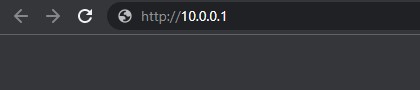
2) In the address bar, type “http://10.0.0.1” and hit enter.
3) A login page will appear. Enter your username and password. If you have not changed these details, they will be the default ones provided by your internet service provider or the Piso Wi-Fi machine.
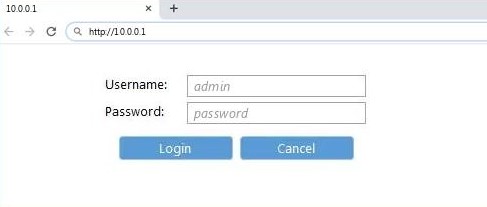
4) Once logged in, you will be able to see the control panel where you can change various settings like the network’s SSID, password, and many others.
Troubleshooting Login Issues
If you’re unable to log in, follow these troubleshooting tips:
Check your IP address: As mentioned before, IP Under Consideration is not a valid IP address. Make sure you’re using the correct address: 10.0.0.1.

Clear your browser cache: Sometimes, login issues can be caused by a build-up of cache and cookies in your browser. Try clearing these and attempting to log in again.

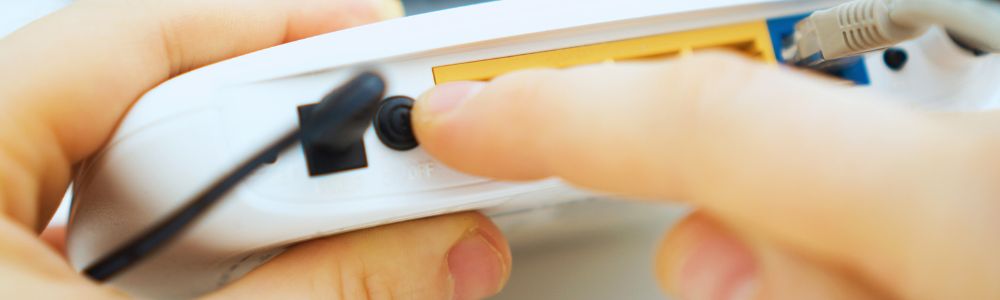
Reset your router: If all else fails, you may need to reset your router to its factory settings. Keep in mind that this will also reset your login credentials.
Router Manufacturers that are Using 10.0.0.1 IP Address
In the world of computer networking, the IP address 10.0.0.1 has gained prominence due to its inherent simplicity and ease of recollection. Predominantly employed in the context of larger business networks, this specific IP address is gaining wider acceptance among a multitude of router manufacturers. With the expansion of home networks, more homeowners are starting to witness the usage of the 10.0.0.1 IP address in their home routers.
The IP address 10.0.0.1 is categorized under Class A private IP addresses. It’s used in private networks and intranets, and it’s not routable on the public internet without network address translation (NAT). Given its convenience, this IP address is becoming the go-to choice for many top router manufacturers around the globe.
Among the illustrious list of router manufacturers who have set the 10.0.0.1 IP address as the default for their devices are:
- Cisco: A frontrunner in the networking equipment industry, Cisco routers are highly regarded for their reliability and robustness. Cisco’s use of the 10.0.0.1 IP address allows users to conveniently manage their routers and network devices.
- SMC: Specializing in providing networking solutions, SMC is another well-known name in the industry. Their routers equipped with the 10.0.0.1 IP address give users hassle-free access to the configuration settings.
- Technicolor: Technicolor routers are a common sight in both homes and offices. With the 10.0.0.1 IP address, users can easily set up their internet connectivity and manage their network settings.
- Arris: A leading brand in the telecommunications equipment industry, Arris manufactures high-quality routers that are compatible with the 10.0.0.1 IP address, ensuring an easy interface for users to adjust and monitor their network.
- Aztech: Known for their innovative and user-friendly products, Aztech employs the 10.0.0.1 IP address in their routers, making it simple for users to navigate the network settings.
- Infinity: As a cutting-edge company offering advanced networking solutions, Infinity’s utilization of the 10.0.0.1 IP address in its routers simplifies the process for users managing their network configuration settings. Infinity’s commitment to user-centric designs makes it a significant addition to this list.
Beyond these major players in the industry, other organizations such as Intelbras, RFNet, and i-connect have also adopted the use of the 10.0.0.1 IP address in their routers. Intelbras, a Brazilian multinational corporation known for its range of electronic products, is making significant inroads in the router market. Their products respond well to the 10.0.0.1 IP address, simplifying user access to network management settings.
Conclusion
In conclusion, the Piso Wi-Fi system is a significant boon to areas with limited or costly internet access. It is simple to use, and with the help of the 10.0.0.1 IP address, users can easily manage and secure their connection. However, it is essential to stay mindful of the technical aspects, like using the correct IP address and keeping your login credentials secure, to make the most of this innovative solution.
FAQs about 10.0.0.1
Q: What is the 10.0.0.1 IP address used for?
A: The 10.0.0.1 IP address is commonly used as a default gateway address for routers. It’s used to access the router’s administrative settings where you can manage and configure your network.
Q: I cannot connect to 10.0.0.1, what could be the problem?
A: If you’re having trouble connecting, it could be due to several reasons. Your router might not use 10.0.0.1 as its default gateway, the router might be off or not functioning properly, or your computer might be disconnected from the network.
Q: Can I change my router’s default IP address from 10.0.0.1 to something else?
A: Yes, you can usually change your router’s default IP address through the router’s administrative settings. The steps to do this vary depending on your router’s make and model.
Q: How can I secure my network after accessing it through 10.0.0.1?
A: After accessing your network through 10.0.0.1, you can secure it by changing the default login credentials, enabling WPA3 encryption, disabling remote management, and updating your router’s firmware regularly.
Q: What manufacturers use 10.0.0.1 as the default IP address for their routers?
A: Several router manufacturers, including Cisco, SMC, Technicolor, Arris, Aztech, and Infinity, use 10.0.0.1 as the default IP address for their routers.
Q: Why does 10.0.0.0.1, not work when I try to access my router’s settings?
A: The IP address Under Consideration is not a valid IP address. It might be a typo. The correct IP address should be 10.0.0.1. Make sure to check the IP address properly when you try to access your router’s settings.
Other Mistyped IP Addresses: A Common Occurrence
Mistyping IP addresses, such as entering “10.0.0.0.1” instead of the correct “10.0.0.1”, is a frequent occurrence. Similar errors include “10.0.0.01”, “1.0.0.0.0.1”, “1.0000.1”, “10.0.0.01”, “10.0.o.1”, or “10.o.o.1”. Each of these mistakes can lead to confusion or an inability to access the intended network interface that is 10.0.0.1 the only correct IP address.

Abraham Gordan
As a skilled computer networking professional, I bring extensive expertise in designing, implementing, and maintaining robust network infrastructures. With a passion for connectivity and a deep understanding of networking protocols, I specialize in optimizing performance, ensuring data security, and troubleshooting complex issues. From configuring routers and switches to managing firewalls and implementing virtual private networks (VPNs), I am dedicated to creating efficient and reliable network solutions. With a proactive and detail-oriented approach, I strive to deliver seamless connectivity and facilitate smooth communication for businesses and individuals alike.